Abstract
SUMMARY In a series of four pot experiments single plants of kale and sugar beet or wheat were grown alone and with sixteen plants of several different weed species for from 7 to 11 weeks. Two levels of nitrogen were included. The effects of different weeds on dry‐weight growth of the crop plants were used as a measure of their competitive abilities. The results from each experiment were corrected on the basis of the effects of Chenopodium album , which was included as a standard in all experiments. The order of competitive abilities obtained was: with kale, first Sinapis arvensis , then Polygonum convolvulus and Alopecurus myosuroides , then Chenopodium album, Polygonum uviculure and P. persicaria , followed by Matricaria maritima ssp. inodora , and finally Stellaria media, Capsella bursa‐pastoris, Veronica perszca and Anagallis arvensis; with wheat, a similar order, but Polygonum convolvulus had less competitive ability than Alopecurus and about the same as Chenopodium and P. aviculure , and Matricaria had about the same value as Veronica. The effect of nitrogen on kale and on sugar beet was statistically significant, but on wheat it was significant in only one experiment. Weed effects generally were not significantly decreased by high nitrogen; the effects of Sinapis on kale, and of Chenopodium on wheat were increased, The leaf nitrogen percentage of kale and sugar beet was greatly increased by high nitrogen, but usually only slightly affected by weeds; nitrogen deficiency seems not to have been the sole cause of the weed effects. In two experiments with wheat, although high soil nitrogen increased the leaf nitrogen percentage of plants with weeds, it had little effect on their leaf dry weight, so that competition for nitrogen appeared non‐effective. In a third experiment Alopecurus and Sinapis both appeared to compete with wheat for nitrogen. In spite of the greater number of weeds per pot, their yields were usually decreased by adding a single indicator plant to their pots. Those weeds were least affected which themselves most reduced the growth of the indicators. The method used is judged to give results similar to those that might be found in the field, and to have advantages over alternative methods for estimating the relative importance of weeds as competitors of crops.
Abstract from the paper’s OpenAlex record, shown for indexing and research. Copyright remains with the authors or the publisher. Read at the source ↗
The text the model read, with the source record’s inline markup (italics, sub- and superscripts) rendered and its character entities decoded; quote offsets refer to the raw text.
Claims 19
Claim · model-written summary
Sinapis arvensis was the most competitive weed with kale.
- Taxon
- kale
 Brassica oleracea var. viridise0
- Interactor
- Sinapis arvensis
 Mutarda arvensise0weed
- Outcome
- firste0
Organisms pictured · Representative pictures of the matched species, not figures from the paper.


Verbatim
e0“with kale, first Sinapis arvensis”
Claim · model-written summary
Polygonum convolvulus and Alopecurus myosuroides ranked next with kale.
- Taxon
- kaleBrassica oleracea var. viridise6
- Interactor
- Polygonum convolvulus
 Fallopia convolvuluse0weed
- Second interactor
- Alopecurus myosuroides
 Alopecurus myosuroidese0weed
- Outcome
- thene0
Organisms pictured · Representative pictures of the matched species, not figures from the paper.


Verbatim
e0“then Polygonum convolvulus and Alopecurus myosuroides”
e6“with kale, first Sinapis arvensis”
Claim · model-written summary
Polygonum convolvulus was less competitive with wheat than Alopecurus.
- Taxon
- wheat
 Triticum aestivume0
- Interactor
- Polygonum convolvulusFallopia convolvuluse0weed
- Second interactor
- Alopecurus
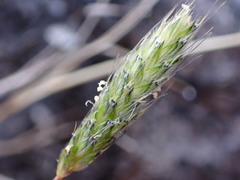 Alopecuruse0weed
- Outcome
- competitive abilitye0
- Direction
- lesse0
Organisms pictured · Representative pictures of the matched species, not figures from the paper.

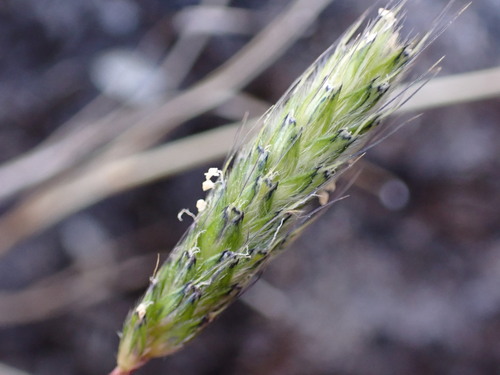
Verbatim
e0“with wheat, a similar order, but Polygonum convolvulus had less competitive ability than Alopecurus”
Claim · model-written summary
Nitrogen had a significant effect on kale.
- Taxon
- kaleBrassica oleracea var. viridise0
- Treatment
- nitrogene0
- Outcome
- effecte0
Not reportedComparatorDirection
Organisms pictured · Representative pictures of the matched species, not figures from the paper.
Verbatim
e0“The effect of nitrogen on kale and on sugar beet was statistically significant”
Claim · model-written summary
Nitrogen had a significant effect on sugar beet.
- Taxon
- sugar beet
 Beta vulgaris subsp. vulgarise0
- Treatment
- nitrogene0
- Outcome
- effecte0
Not reportedComparatorDirection
Organisms pictured · Representative pictures of the matched species, not figures from the paper.

Verbatim
e0“The effect of nitrogen on kale and on sugar beet was statistically significant”
Claim · model-written summary
Nitrogen affected wheat significantly in only one experiment.
- Taxon
- wheatTriticum aestivume0
- Treatment
- nitrogene6
- Outcome
- ite0
- Qualifier
- only one experimente0
Not reportedComparatorDirection
Organisms pictured · Representative pictures of the matched species, not figures from the paper.
Verbatim
e0“on wheat it was significant in only one experiment”
e6“Two levels of nitrogen were included”
Claim · model-written summary
High nitrogen generally did not significantly lessen weed effects.
- Taxon
- kaleBrassica oleracea var. viridise6
- Treatment
- high nitrogene0
- Outcome
- Weed effectse0
- Direction
- not significantly decreasede0
Not reportedComparator
Organisms pictured · Representative pictures of the matched species, not figures from the paper.
Verbatim
e0“Weed effects generally were not significantly decreased by high nitrogen”
e6“with kale, first Sinapis arvensis”
Claim · model-written summary
High nitrogen increased effects of Sinapis on kale.
- Taxon
- kaleBrassica oleracea var. viridise0
- Treatment
- high nitrogene0
- Outcome
- effects of Sinapis on kalee0
- Direction
- increasede0
Not reportedComparator
Organisms pictured · Representative pictures of the matched species, not figures from the paper.
Verbatim
e0“Weed effects generally were not significantly decreased by high nitrogen; the effects of Sinapis on kale, and of Chenopodium on wheat were increased”
Claim · model-written summary
High nitrogen increased effects of Chenopodium on wheat.
- Taxon
- wheatTriticum aestivume0
- Treatment
- high nitrogene0
- Interactor
- Chenopodium
 Chenopodiume0weed
- Outcome
- Chenopodium on wheate0
- Direction
- increasede0
Not reportedComparator
Organisms pictured · Representative pictures of the matched species, not figures from the paper.

Verbatim
e0“Weed effects generally were not significantly decreased by high nitrogen; the effects of Sinapis on kale, and of Chenopodium on wheat were increased”
Claim · model-written summary
High nitrogen greatly raised kale leaf nitrogen percentage.
- Taxon
- kaleBrassica oleracea var. viridise0
- Organ / stage
- leafe0
- Treatment
- high nitrogene0
- Outcome
- leaf nitrogen percentagee0
- Direction
- greatly increasede0
Not reportedComparator
Organisms pictured · Representative pictures of the matched species, not figures from the paper.
Verbatim
e0“The leaf nitrogen percentage of kale and sugar beet was greatly increased by high nitrogen”
Claim · model-written summary
High nitrogen greatly raised sugar beet leaf nitrogen percentage.
- Taxon
- sugar beetBeta vulgaris subsp. vulgarise0
- Organ / stage
- leafe0
- Treatment
- high nitrogene0
- Outcome
- leaf nitrogen percentagee0
- Direction
- greatly increasede0
Not reportedComparator
Organisms pictured · Representative pictures of the matched species, not figures from the paper.
Verbatim
e0“The leaf nitrogen percentage of kale and sugar beet was greatly increased by high nitrogen”
Claim · model-written summary
Weeds usually affected crop leaf nitrogen percentage only slightly.
- Taxon
- kaleBrassica oleracea var. viridise6
- Interactor
- weedse0weed
- Outcome
- slightly affected by weedse0
- Direction
- slightlye0
Organisms pictured · Representative pictures of the matched species, not figures from the paper.
Verbatim
e0“but usually only slightly affected by weeds”
e6“with kale, first Sinapis arvensis”
Claim · model-written summary
In two wheat experiments, high soil nitrogen increased leaf nitrogen percentage with weeds present.
- Taxon
- wheatTriticum aestivume6
- Treatment
- high soil nitrogene0
- Interactor
- weedse0weed
- Outcome
- leaf nitrogen percentagee0
- Direction
- increasede0
Not reportedComparator
Organisms pictured · Representative pictures of the matched species, not figures from the paper.
Verbatim
e0“high soil nitrogen increased the leaf nitrogen percentage of plants with weeds”
e6“with wheat, a similar order”
Claim · model-written summary
In those wheat experiments, high nitrogen had little effect on leaf dry weight.
- Taxon
- wheatTriticum aestivume6
- Treatment
- high soil nitrogene0
- Outcome
- leaf dry weighte0
- Direction
- little effecte0
Not reportedComparator
Organisms pictured · Representative pictures of the matched species, not figures from the paper.
Verbatim
e0“high soil nitrogen increased the leaf nitrogen percentage of plants with weeds, it had little effect on their leaf dry weight”
e6“with wheat, a similar order”
Claim · model-written summary
Alopecurus appeared to compete with wheat for nitrogen in a third experiment.
- Taxon
- wheatTriticum aestivume0
- Interactor
- AlopecurusAlopecuruse0weed
- Outcome
- compete with wheat for nitrogene0
Organisms pictured · Representative pictures of the matched species, not figures from the paper.
Verbatim
e0“Alopecurus and Sinapis both appeared to compete with wheat for nitrogen”
Claim · model-written summary
Sinapis appeared to compete with wheat for nitrogen in a third experiment.
- Taxon
- wheatTriticum aestivume0
- Outcome
- compete with wheat for nitrogene0
Organisms pictured · Representative pictures of the matched species, not figures from the paper.
Verbatim
e0“Alopecurus and Sinapis both appeared to compete with wheat for nitrogen”
Claim · model-written summary
Adding a crop indicator usually reduced weed yields.
- Taxon
- wheatTriticum aestivume6
- Treatment
- adding a single indicator plante0
- Interactor
- weedse0weed
- Outcome
- their yieldse0
- Direction
- decreasede0
Not reportedComparator
Organisms pictured · Representative pictures of the matched species, not figures from the paper.
Verbatim
e0“In spite of the greater number of weeds per pot, their yields were usually decreased by adding a single indicator plant to their pots”
e6“with wheat, a similar order”
Claim · model-written summary
The most competitive weeds were least affected by the crop indicator.
- Taxon
- wheatTriticum aestivume6
- Interactor
- weedse0weed
- Outcome
- least affectede0
- Direction
- least affectede0
Organisms pictured · Representative pictures of the matched species, not figures from the paper.
Verbatim
e0“Those weeds were least affected which themselves most reduced the growth of the indicators”
e6“with wheat, a similar order”
Claim · model-written summary
The pot method was judged to approximate field results and have advantages over alternatives.
- Taxon
- wheatTriticum aestivume6
- Interactor
- weedse0weed
- Outcome
- results similar to those that might be found in the fielde0
- Comparator
- alternative methodse0
Organisms pictured · Representative pictures of the matched species, not figures from the paper.
Verbatim
e0“The method used is judged to give results similar to those that might be found in the field, and to have advantages over alternative methods for estimating the relative importance of weeds as competitors of crops”
e6“with wheat, a similar order”
The same questions in other papers
nitrogen · nutrient: content · Beta vulgaris (beet)Positive and negative results
22 papers in the same direction as this paper · 8 in the opposite direction
- no effect
- negative
- negative
27 papers more in this group
See all 31 papers →nitrogen · nutrient: content · Brassica oleracea (wild cabbage)Positive and negative results
34 papers in the same direction as this paper · 11 in the opposite direction
- no effect
- no effect
- negative
42 papers more in this group
See all 46 papers →Claims are grouped by organism, treatment and what was measured or targeted. A paper counts as positive when any of its claims in the group is positive.